
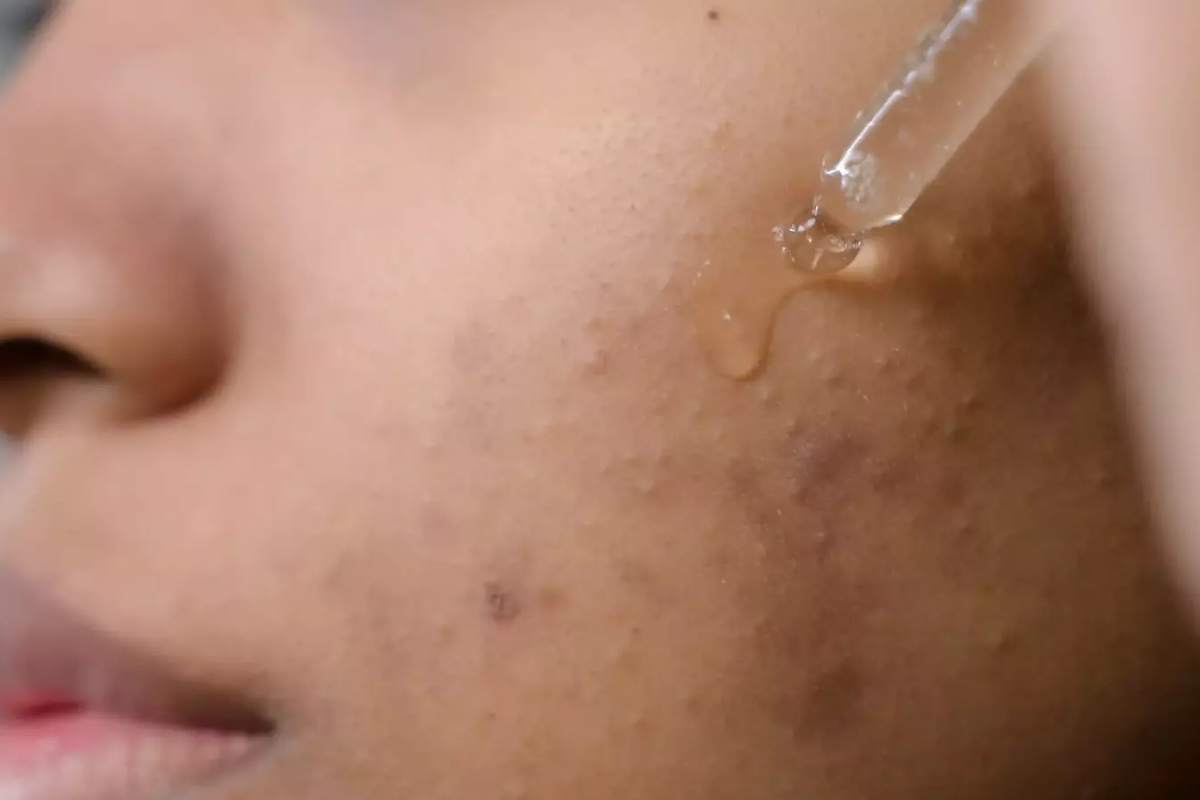


Did you know that nearly 9 out of 10 individuals find themselves battling pigmented marks following every pesky pimple? This persistent condition is known as Post-Inflammatory Hyperpigmentation PIH.
The likelihood of developing PIH tends to vary, with some factors playing a significant role:
- PIH appears to be more prevalent among women than men.
- Those with deeper skin tones are more susceptible to PIH than individuals with lighter complexions.
- Sun-exposed areas of the body tend to be more susceptible to PIH than those shielded from UV rays.
- The face, being the most exposed part of our body, is often prone to PIH more than other body areas.
- People who pop their pimples are more prone to PIH compared to those who resist the urge.
Now, let’s explore a proactive regimen to ward off PIH:
1. Sun Protection
Opt for a reliable mineral sunscreen that not only guards against harmful UV rays but also aids in preventing PIH. Mineral sunscreens like SAFESCREEN® offer effective broad-spectrum protection while catering to your skin’s specific needs.
While choosing skincare products for specific concerns, you can also explore the benefits and limitations of cellulite cream as part of a targeted body-care routine.
Although dermal fillers do not treat post-inflammatory hyperpigmentation, readers exploring other cosmetic options can learn more about dermal fillers in Melbourne.
2. Repair and Regenerate
For a robust defense against PIH, follow a regimen with products like the Peptide Therapy Intense Repair Gel. Apply this EGF(Epidermal Growth Factor) face serum twice daily to support skin barrier repair and regeneration, creating a stronger shield against pigmentation issues.
Healthy-looking skin can contribute to overall facial appearance, alongside the features discussed in this guide to the best facial features.
Managing clogged pores and avoiding picking or squeezing blemishes can help reduce irritation, so it is also useful to understand the causes and treatment options for blackheads.
3. Bedtime Routine
To tackle pigmentation while you sleep, consider adding a tranexamic acid serum like Re(d)covery® to your nightly routine. Its anti-pigmentation properties can help mitigate the effects of PIH, promoting a more even complexion.
By following this comprehensive approach, you can significantly reduce your risk of falling victim to PIH. Remember, prevention is key when it comes to maintaining clear and radiant skin.
For those interested in other beauty treatments, eyelash extensions can enhance the appearance of the eyes without addressing skin pigmentation itself.
It’s crucial to be proactive in preventing PIH, especially if you fall into one of the higher-risk categories. With the right skincare regimen and a commitment to healthy practices, you can maintain a clear and even complexion, free from the grasp of Post-Inflammatory Hyperpigmentation.
If you are considering professional skincare services, learn what to expect before you visit a spa and discuss your skin concerns with a qualified professional.
Kashifa Jafar is a beauty, fashion and lifestyle writer at The Beauty Web with 4+ years of experience in content writing and digital publishing. She covers beauty, skincare, hair care, fashion, beauty products and lifestyle topics with a focus on clear, useful and reader-friendly content.
Sameena Begum is a beauty, fashion and lifestyle content reviewer at The Beauty Web with 8 years of editorial experience. She reviews selected content for clarity, readability, organisation, consistency and overall editorial quality.