
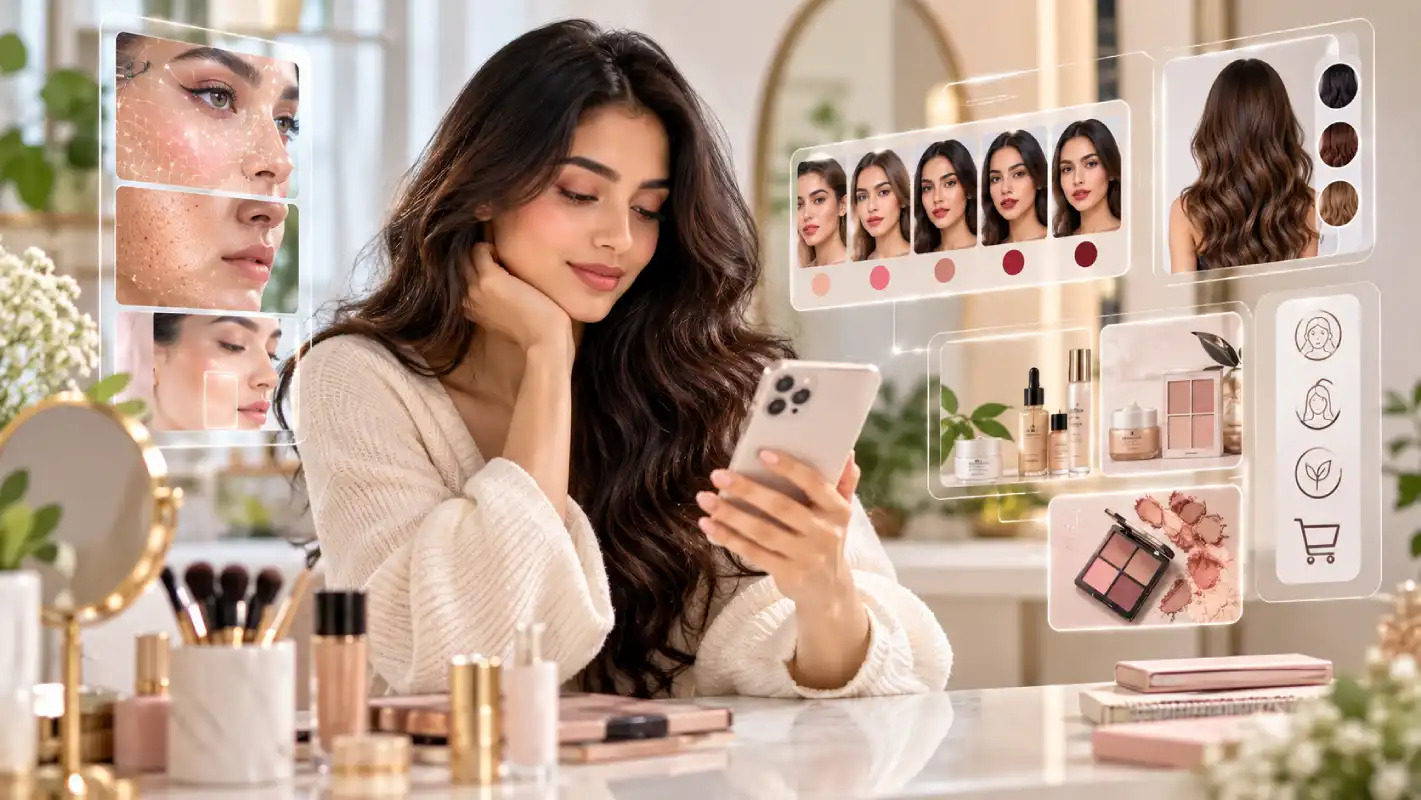
Beauty may begin with a skincare routine, a haircut or a favourite lipstick, but technology increasingly shapes what happens before and after a customer makes a choice. From online booking to virtual shade matching, digital tools help people explore products and services in ways that fit their lives. Knowing how these tools work can make it easier to choose a salon, compare products and understand the growing role of technology in the beauty world.
Table of Contents
Beauty Services Are Moving Online
Many salons and independent beauty professionals now use websites or apps to manage appointments. A good booking system can show available times, explain the service, and make it clear how long an appointment is expected to take. Some also send reminders, which can help clients keep track of visits and give businesses a way to manage cancellations.
Before booking, look for practical details rather than relying on a polished home page alone. Check that the service description matches what you want, that the price is clear, and that the location and cancellation terms are easy to find. Photos and reviews can help set expectations, but they should support—not replace—a direct conversation when you have a specific concern, such as an allergy or a previous treatment reaction.
Digital Tools for Choosing Products
Online beauty shopping gives customers access to a wide range of skincare, makeup and haircare products. Filters can narrow a search by skin type, finish, ingredients or price. Product pages are most useful when they include a full ingredient list, clear directions and realistic information about who may benefit from the product.
Virtual try-on tools offer another way to explore makeup shades. These features can be convenient, especially when visiting a store is not easy, but screen colour, lighting and camera settings may affect how a shade appears. Treat a digital preview as a starting point. If a product is costly or a close match matters, check return policies or try a sample where available.
Why Beauty Businesses Need Reliable Technology
Behind a smooth booking page or online shop is a collection of technical decisions. Businesses need websites that work well on phones, payment systems that protect customer information, and product pages that load quickly. A salon may also need scheduling software that prevents double bookings, while a beauty retailer might rely on inventory tools to keep stock information current.
These details affect the customer experience, even when they are not immediately visible. A confusing checkout can make a shopper abandon an order, and an outdated booking calendar can lead to frustration at the salon. For beauty businesses planning a new website or app, it helps to identify the customer problem first. A new feature is worthwhile when it makes a task clearer or more convenient—not simply because it is fashionable.
When Beauty Content Meets Programming
Beauty companies sometimes need to explain the technology behind their services, from ingredient databases and recommendation tools to virtual consultations. Developers and software teams also have useful knowledge to share with readers interested in how digital products are built. In either case, publishing on relevant websites can introduce an article to people who already care about coding and software development.
For writers researching places to publish technical articles, programming guest-posting sites can help identify websites and blogs focused on software topics. Relevance matters more than a broad audience alone. A useful article should suit the publication’s readers, explain a specific idea, and offer practical information rather than simply promoting a company or product.
Hiring Freelancers for Digital Beauty Projects
A beauty business does not always need a full-time developer, designer or copywriter. Freelancers can help with a focused task, such as improving a mobile booking page, creating product photography, editing a tutorial video or writing clear service descriptions. Before hiring, decide what the finished work should include, what information or materials you can provide, and when you need delivery.
When browsing freelance listings on Osdire, a clear service description makes it easier to compare options. To avoid vague freelance offer titles, look for a title that names the actual outcome, such as a booking page redesign or a set of edited product images. The description should define deliverables, explain what is not included and state any requirements for getting started. Clear expectations help both sides decide whether the project is a good fit.
It is also sensible to agree on how feedback and revisions will work. For example, a website project may need the client to supply brand colours, copy and access to the existing site. A photography project may depend on product delivery and a shot list. When the scope is clear before work begins, there is less chance of confusion about timing or what counts as completion.
Keep Convenience and Care in Balance
Digital tools can make beauty services easier to discover and use, but they cannot answer every question. Automated recommendations may not account for every skin condition, and a video consultation may not replace an in-person assessment for certain treatments. If you have persistent irritation, a medical skin concern or uncertainty about whether a procedure is suitable, seek advice from an appropriately qualified professional.
The best beauty technology supports informed choices. Look for clear information, thoughtful service and secure ways to manage appointments or purchases. Whether you are booking a treatment, testing a virtual makeup tool or building a beauty business online, useful technology should make the experience simpler without obscuring the details that matter.