
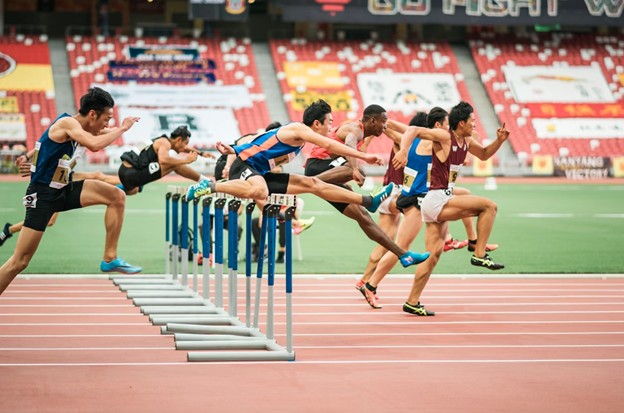
Sports injuries can be tough for athletes, often causing long breaks from training and competition. The impact isn’t just physical—many also feel frustrated, lose confidence, and struggle to return to their previous performance. Because sports involve repetitive movements, injuries to muscles, joints, and bones are common and usually need proper treatment and rehabilitation.
Acupuncture is becoming more popular as a way to support recovery. It has been used for a long time to help reduce pain, improve healing, and restore balance. For injured athletes, it offers a non-invasive option that may ease short-term pain and support recovery.
Some studies and cases show positive results for issues like muscle soreness, sports injuries, and even post-concussion symptoms. As more athletes look for effective recovery methods, acupuncture is increasingly used alongside traditional treatments.
Table of Contents
Understanding Acupuncture
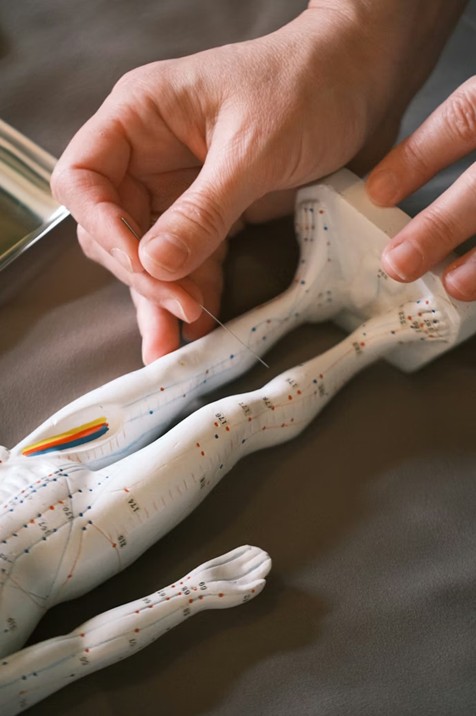
Acupuncture has its roots in traditional Chinese medicine, and is based on the idea of balancing the body’s internal energy. The technique uses very fine needles, which are placed at specific points on the skin. Traditionally, these points are thought to influence nerves, encourage better energy movement, and help the body find its own equilibrium. Some believe that by doing this, acupuncture also improves blood flow, making it easier for the body to heal itself.
There’s still some debate about exactly how acupuncture works, but studies have linked it to increases in white blood cells and serotonin, both thought to support the immune response and leave people feeling generally better.
A qualified acupuncturist will start by observing things like your pulse, tongue, and skin to get a sense of your overall health. After this, they insert sterile, single-use needles into certain points, sometimes reaching into muscles to target areas that may be causing pain. The vast majority of people barely feel the needles, and many actually find the sessions quite calming. From there, you’ll rest quietly with the needles in place, usually anywhere from ten minutes up to an hour. The number of sessions you might need depends on how serious your condition is; some injuries clear up quickly, while longer-standing problems might need a few months of treatment.
Mechanisms of Acupuncture in Treating Sports Injuries
In traditional Chinese medicine, acupuncture is said to work by supporting the movement of the body’s energy, known as “qi.” Practitioners suggest that this energy travels through networks called meridians, and disruptions along these lines can be linked to pain or poor health. By placing needles at specific points, acupuncture is believed to help open up these pathways, which many say leads to pain relief and speeds up recovery from injury.
On a practical level, acupuncture does more than just target energy flow. The treatment boosts local blood circulation, which helps bring damaged tissues the nutrients and oxygen they need for quicker healing. Acupuncture also appears to influence the chemicals that affect how we feel and perceive pain, including serotonin and endorphins. These shifts can lift your mood and provide natural pain relief, both of which are genuinely helpful for athletes who are trying to heal and get back to their sport. Immune system function may get a lift too, making recovery a smoother process all round.
Acupuncture’s Role in Pain Management and Recovery
Acupuncture provides a gentle, non-surgical option for managing pain in muscles and joints. This makes it an attractive choice for those looking to avoid medication or an operation. Instead of relying on drugs, acupuncture uses carefully placed needles at certain points along the body, which can help with pain and kickstart the healing process by improving blood flow and giving the body’s nervous system a nudge.
The approach is based on traditional Chinese medicine, where the goal is to support the body’s energy balance, helping natural recovery get underway. Treatments rooted in Chinese medicine approaches for sports hernias can offer additional strategies for athletes looking to manage and recover from this specific injury.
In actual sports clinics, acupuncture has been used for a whole range of injuries. Athletes with lateral meniscus tears have found that acupuncture brings pain levels down and helps the joint work better. The same goes for those with hip problems like femoroacetabular impingement—they often describe eased symptoms and a quicker route back to exercise. Acupuncture has also helped with common problems such as ganglion cysts and sports hernias, whether used alone or combined with other therapies.
On top of that, it’s been used to ease delayed onset muscle soreness, which tends to show up after a tough workout. All in all, these examples highlight acupuncture’s growing reputation as a method that supports recovery and performance in athletes.
Acupuncture in Preventing Sports Injuries
Acupuncture can help athletes avoid injuries by keeping muscles and tendons more supple, making it less likely they’ll face issues like tears or sprains in places such as the back, hips, or legs. It does this by improving blood flow and encouraging the body’s own repair mechanisms, so tissues stay flexible and recover faster from daily training strain.
It’s also helpful for joints, taking some of the unwanted pressure off them during repeated movement or hard training sessions. With less tension on the joints, there’s a lower chance of common overuse injuries showing up. Practitioners focus on particular points that are known to help energy and blood circulate well, helping the whole body cope better with the demands of sport.
Beyond the nuts and bolts of preventing physical injury, regular acupuncture sessions can perk up immune response and boost mood, thanks to an increase in serotonin. This kind of support is valuable for athletes juggling stress, tough schedules, and physical fatigue. By stopping problems before they start, acupuncture helps athletes keep up performance and train with greater peace of mind.
Practical Considerations and Limitations
Acupuncture sessions can vary quite a lot, depending on how serious the injury is. Some people might only need ten minutes, while others could find themselves lying there with needles for a whole hour. Frequency ranges as well—once or twice a week is common, but for really acute problems, daily sessions might come into play. For stubborn, long-term issues, a course of several weeks or even months may be suggested. These treatment schedules are adjusted to suit the way each person heals, and can shift as progress is made.
It’s worth pointing out that research into acupuncture’s true effectiveness has its challenges. One big reason is that studies on acupuncture are all over the place, using different techniques, measuring outcomes in different ways, and sometimes leaning on how the patient expects to feel. Add in the fact that pain and recovery are often personal experiences, and it’s tricky to compare results between studies. There is no single way researchers agree on to study acupuncture, so the data doesn’t fit together neatly. This makes it hard for scientists to agree on how well acupuncture really works, since the results often vary a fair bit from one study to the next.
Key Insights for Athletes Considering Acupuncture
Plenty of athletes rely on acupuncture to manage aches and recover faster when sports injuries strike, and you’ll even spot it as part of regular training routines for some well-known sports teams. Many report that it helps relieve pain quickly, making recovery time feel shorter—even more so for runners and anyone dealing with repeated muscle fatigue or tissue strain. Unlike more invasive medical treatments, acupuncture uses fine needles to treat everything from neck pain down to sore knees and ankles.
Alongside its pain relief benefits, acupuncture can improve circulation and kickstart the body’s own repair systems, letting injuries heal more efficiently. This is why it’s often used to not just help manage existing injuries but support athletes in staying healthy and avoiding new problems.
If you’re aiming for a well-rounded way to take care of your body, acupuncture fits in nicely. Its gentle approach supports joint and muscle strength, so it’s an appealing option for keeping up long-term physical health. Adding acupuncture to your recovery routine helps pave the way for a quicker bounce-back from injuries while also building resilience against those annoying repeat strains.
Teaming up with a qualified acupuncturist can help you set up sessions that fit your training and recovery targets, so injury management becomes part of your plan—not just something you deal with after the fact.